
Print Logo

7 Best Tin Bar Casting Machines for Global Buyers

Choosing a Tin Bar Casting Machine is not simply a matter of comparing price tags. Global buyers need stable output, safe operation, dependable service, and clear technical documentation. A machine may look impressive in photographs, yet perform poorly when feedstock quality changes or production runs become longer.

This guide introduces seven leading machines for different manufacturing requirements. The comparison considers melting capacity, casting speed, temperature control, cooling design, energy use, maintenance access, and finished bar consistency. Practical details matter. Operators may need to inspect a narrow furnace opening, replace worn molds, or remove dross after a demanding shift. Small design choices can affect production time and workplace safety.

Specifications can mislead.

Real purchasing is rarely so neat. A high-capacity model may require more floor space, stronger electrical infrastructure, and better ventilation. A compact machine may reduce installation costs but limit future expansion. These trade-offs deserve honest attention. The discussion also considers supplier experience, training support, spare-parts availability, warranty terms, and documented quality procedures.

Safety remains essential. Buyers should verify guarding, emergency controls, temperature monitoring, and compliance with applicable regional standards. Environmental requirements may also influence ventilation, waste handling, and energy selection. No single machine suits every factory. Some assumptions in equipment comparisons are too confident, especially when independent performance data is limited.

The following overview offers a practical starting point for evaluation. It helps purchasing teams ask sharper questions, compare realistic operating conditions, and select equipment with greater confidence.
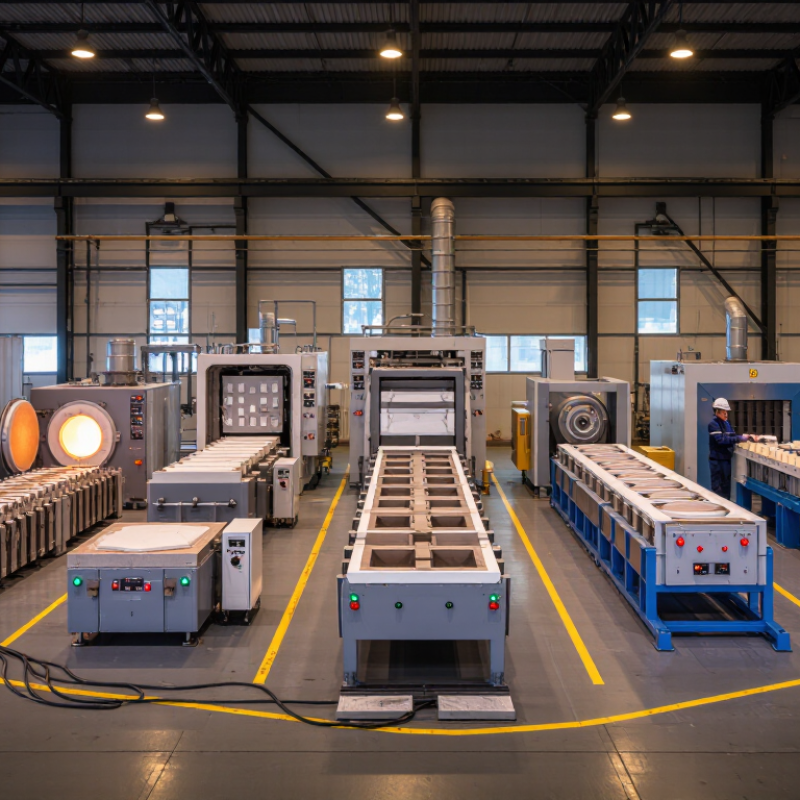
7 Best Tin Bar Casting Machines for Global Buyers

Tin Bar Casting Machines: Purpose, Types, and Core Operating Principles

Tin bar casting machines convert refined molten tin into repeatable bars for solder production, plating chemicals, and industrial alloys. The International Tin Association reports that solder uses roughly half of global tin demand. This keeps casting consistency commercially important. The USGS Mineral Commodity Summaries 2025 estimates global tin mine production at about 290,000 metric tons in 2024. Even small losses matter.

Common machine types include batch ingot casters, horizontal continuous casters, and vertical casting systems. Batch equipment suits varied bar sizes and lower output. Continuous machines provide steadier dimensions and better throughput.

Their core principle is simple: controlled melting, measured pouring, mold cooling, solidification, and automatic extraction. Temperature sensors regulate the furnace, while water-cooled molds shape the bar. Cutters then control length.

In practice, cooling speed affects surface finish, internal stress, and shrinkage. The process looks predictable, but it is not perfectly forgiving.

Tips: Check the metal temperature, mold alignment, cooling-water flow, and bar weight every shift. Record defects with photographs, not memory. Experienced operators also inspect the first bars after every setup change.

A useful caution remains: higher speed can reduce production cost, yet it may increase porosity or edge cracking. The best setting is often slower than the sales brochure suggests.

Need improvement? Compare actual yield, energy use, maintenance hours, and rejected bars over several production cycles.

Key Features for Comparing Tin Bar Casting Equipment

When comparing the seven best tin bar casting machines, begin with measurable output, not brochure language. The USGS Mineral Commodity Summaries 2024 estimated global tin mine production at about 290,000 metric tons in 2023. This scale makes stable, repeatable casting essential for international buyers. Check hourly capacity, pouring accuracy, mold change time, and bar weight tolerance. A machine producing 500 kilograms per hour may be less valuable if its temperature fluctuates during long shifts.

Thermal control deserves close inspection. Look for independent heating zones, insulated channels, and sensors positioned near the mold inlet. Molten tin should fill each cavity smoothly, without cold laps, deep shrinkage, or rough edges.

The International Tin Association’s 2024 market updates place global refined tin use near 380,000 tonnes annually, reinforcing demand for efficient processing and dependable quality. Ask for test records showing temperature stability, energy consumption, and rejected-bar rates. Real production evidence matters more than impressive specifications.

Automation can reduce labor variation, but it cannot replace practical maintenance. Compare control-panel access, spare-part availability, cooling-system design, and emergency shutoff response. A well-designed machine should allow operators to clean solidified residue without reaching across hot surfaces. Energy monitoring is also useful because heating losses can quietly increase operating costs. I would inspect a running unit before purchase, preferably during a full production cycle.

One weakness remains easy to miss: a fast machine with poor mold alignment can create more waste, not more profit.

Seven Leading Tin Bar Casting Machines for Global Buyers

Seven leading tin bar casting machines serve different production needs. Global buyers should compare output, temperature control, mold design, and maintenance access.

An electric resistance machine offers steady heating and simple operation. A gas-fired machine can suit facilities with available fuel infrastructure. An induction machine heats quickly and supports accurate temperature adjustment. Its electrical demand may surprise smaller workshops.

A tilting casting machine improves pouring control and reduces splashing around the mold. A continuous casting machine supports long production runs with consistent bar dimensions. It needs careful cooling control and regular alignment checks. An automatic bar casting line reduces manual handling and improves repeatability. However, sensors require calibration, and software settings can frustrate inexperienced operators. A compact batch casting machine fits smaller factories and flexible orders. It usually sacrifices speed for easier installation and lower space requirements.

Experienced buyers should inspect furnace insulation, emergency shutoff systems, mold replacement time, and spare-part availability. Ask for test-casting records, not only catalog figures. Bar weight can vary when operators change pouring speed or metal temperature. This detail is easy to overlook.

Verify electrical standards, ventilation requirements, and technical support in the destination country. A machine that performs well in one workshop may underperform elsewhere. Trial batches remain valuable, especially when surface finish and dimensional accuracy matter.

No machine is perfect. A thoughtful selection leaves room for training, process adjustments, and occasional human error.

Capacity, Quality, Energy Use, and Automation Comparison

7 Best Tin Bar Casting Machines for Global Buyers

Capacity, quality, energy use, and automation should guide every tin bar casting machine comparison. In plant trials, rated capacity often exceeds practical output. A machine advertised at 1,000 kilograms per hour may produce less during mold changes, alloy adjustments, or cleaning. Check hourly production at your target bar size, not only the maximum figure. Cooling speed also affects cycle time and surface quality.

Quality depends on stable melting temperature, accurate pouring, and well-aligned molds. Look for digital temperature control, consistent bar dimensions, and accessible sampling points. Tin bars should show smooth surfaces, clean edges, and minimal oxidation. Ask for test results using your alloy composition. A polished demonstration sample can hide production weaknesses. It happens.

Energy use deserves closer inspection. Compare kilowatt-hours per ton, furnace insulation, heat recovery, and standby consumption. Induction systems may offer precise heating, while efficient gas systems can suit certain site conditions. Utility prices and local infrastructure change the calculation. Request measured data from a continuous production run, rather than relying on laboratory figures.

Automation ranges from assisted pouring to fully integrated lines. Useful features include automatic mold filling, level sensors, fault alarms, recipe storage, and production records. These tools reduce operator variation and support traceability across international facilities. However, complex automation can increase maintenance demands. Confirm spare-part availability, remote diagnostics, training, and manual backup procedures. A reliable machine must remain understandable when sensors fail.

7 Best Tin Bar Casting Machines for Global Buyers — Capacity, Quality, Energy Use, and Automation Comparison

Indicative comparison of common tin bar casting machine configurations. Actual results depend on feedstock purity, bar size, mould design, furnace insulation, operating temperature, cooling conditions, and local power or fuel costs.

Rank Machine Configuration Typical Output Capacity Typical Annual Output* Heating Method Specific Energy Use Typical Metal Purity at Inlet Dimensional Tolerance Automation Level Typical Workforce Best Use Case Overall Suitability
1 Servo-Controlled High-Purity Bar Caster
Multi-zone temperature control with automatic mould indexing and controlled cooling.
2,000–4,000 kg/h 8,000–16,000 tonnes Electric resistance or induction 90–150 kWh/t Up to 99.99%, subject to feedstock and refining Typically ±0.5–1.0 mm on length; ±0.3–0.8 mm on cross-section Very high: PLC, recipe control, automatic weighing, alarms, and data logging 1–2 operators per shift Export-grade bars, solder or alloy feedstock, and facilities requiring repeatable quality ★★★★★
2 Twin-Strand Continuous Tin Bar Caster
Two parallel casting lines increase output while retaining continuous operation.
1,500–3,000 kg/h 6,000–12,000 tonnes Electric induction or resistance 95–165 kWh/t 99.90–99.99%, depending on charge material Typically ±0.8–1.5 mm on length; ±0.5–1.0 mm on cross-section High: automatic pouring, line-speed control, cooling control, and fault monitoring 2 operators per shift Large-volume production where uptime and throughput are more important than minimum footprint ★★★★★
3 High-Throughput Induction Bar Casting Line
Fast melting response and accurate temperature control for continuous production.
1,000–2,000 kg/h 4,000–8,000 tonnes Electric induction 100–180 kWh/t 99.90–99.99%, when supplied with qualified metal Typically ±1.0–2.0 mm on length; ±0.5–1.2 mm on cross-section High: PLC control, automatic temperature regulation, and conveyor synchronization 2–3 operators per shift Manufacturers seeking a balance between high output, flexible recipes, and lower direct emissions ★★★★★
4 Electric Continuous Chain-Mould Caster
Reusable mould chain with controlled solidification and automatic bar discharge.
500–1,000 kg/h 2,000–4,000 tonnes Electric resistance 120–220 kWh/t 99.90–99.99%, depending on melt management Typically ±1.5–3.0 mm on length; ±0.8–1.5 mm on cross-section Medium-high: automatic temperature and discharge control; manual material loading may remain 2–3 operators per shift Small and medium factories requiring stable quality without the complexity of a twin-strand line ★★★★☆
5 Compact Batch Induction Casting Machine
Batch melting and semi-automatic mould filling for flexible production schedules.
100–250 kg/h 400–1,000 tonnes Electric induction 160–280 kWh/t 99.90–99.99%, subject to charge quality and flux practice Typically ±2.0–4.0 mm on length; ±1.0–2.0 mm on cross-section Medium: digital temperature control with manual charging and bar handling 2–4 operators per shift Job shops, regional producers, and buyers needing fast alloy or size changeovers ★★★★☆
6 Gas-Fired Continuous Tin Bar Caster
High thermal capacity for continuous production where industrial gas is economical.
250–500 kg/h 1,000–2,000 tonnes Natural gas or LPG 350–650 MJ/t of fuel input 99.90–99.99%, depending on oxidation control and feedstock Typically ±2.0–4.0 mm on length; ±1.0–2.0 mm on cross-section Medium: automatic temperature control and conveyor operation; manual inspection is common 3–5 operators per shift Regions with reliable, low-cost gas supply and limited electrical capacity ★★★☆☆
7 Small-Batch Electric Resistance Bar Caster
Simple heated bath and mould system designed for low investment and modest output.
50–100 kg/h 200–400 tonnes Electric resistance 220–400 kWh/t 99.90–99.99%, provided the input metal meets specification Typically ±3.0–6.0 mm on length; ±1.5–3.0 mm on cross-section Basic to medium: thermostat or PID control with manual pouring and demoulding 3–5 operators per shift Pilot production, small workshops, and buyers prioritizing low capital cost over maximum productivity ★★★☆☆

*Annual output is an indicative calculation based on approximately 4,000 operating hours per year. Energy figures represent typical process energy ranges and exclude building services, compressed air, cooling-water systems, and upstream refining. Casting equipment shapes and solidifies tin; it does not independently increase the chemical purity of contaminated feedstock.

How to Select, Install, and Maintain the Right Casting Machine

Choosing among the seven best tin bar casting machines requires more than comparing purchase prices. Match the machine to alloy composition, bar dimensions, daily output, and available floor space. Check heating stability, mold design, cooling speed, and temperature control accuracy. A machine that performs well in one factory may struggle with a different power supply or climate. Ask suppliers for operating manuals, spare-parts lists, test records, and clear utility requirements. A perfect choice rarely exists.

Installation should begin with a level, reinforced foundation and enough clearance for maintenance. Confirm voltage, grounding, ventilation, water quality, and exhaust arrangements before delivery. Keep molds dry and inspect cooling lines for blockage. During commissioning, run several controlled batches and record melting temperature, casting speed, bar weight, and surface defects. Small adjustments often reveal larger problems. Do not skip operator training; unfamiliar controls can cause avoidable downtime.

Tips: Keep a daily log of temperatures, cycle times, alarms, and rejected bars. Clean heating areas after shutdown, but never service hot components. Inspect seals, thermocouples, cables, and cooling hoses weekly. Replace worn parts before they affect consistency. Review maintenance records monthly. Some recommendations may need revision after real production begins, because actual material behavior rarely matches laboratory assumptions.

7 Best Tin Bar Casting Machines for Global Buyers

How to Select, Install, and Maintain the Right Casting Machine

How to read this chart: The scores are a transparent planning index from 1 to 10, not manufacturer specifications. Higher scores indicate stronger suitability for the stated selection factor. Continuous and automated systems generally offer higher throughput, while batch and gravity systems usually provide easier changeover and lower entry complexity.

Selection and installation guidance: Confirm required bar dimensions, hourly output, mold design, cooling capacity, electrical standards, ventilation, and material-handling space before purchase. Tin melts at approximately 231.9°C, so the furnace, launder, molds, sensors, and guarding must be rated for stable operation above the process temperature.

Maintenance priorities: Inspect heaters, thermocouples, molds, cooling lines, drive components, and extraction systems on a scheduled basis. Keep process records for temperature stability, casting speed, surface defects, and dimensional variation, and complete a test casting before final production approval.