How to Choose a Bellows Sealed Gate Valve?
Selecting a Bellows Sealed Gate Valve is not simply a matter of matching pipe size and pressure class. The decision affects emissions control, maintenance access, process safety, and long-term operating cost. In a refinery, chemical plant, or vacuum system, a small stem leak can become a serious reliability concern. The valve must suit the fluid, temperature, pressure, cycling frequency, and required shutoff performance.
Industry standards provide a practical foundation. API 623 covers steel gate valves for refinery and related industries, including design, inspection, and testing expectations. ISO 15848-1 addresses fugitive-emission classification and production testing for industrial valves. These requirements matter because the IEA’s Global Methane Tracker 2024 continues to identify methane leaks as a major emissions-management opportunity in the oil and gas sector. A properly specified bellows assembly can reduce one important leakage path around the stem.
Look beyond the catalogue.
A reliable selection starts with the medium. Toxic, radioactive, volatile, or highly pure fluids may require different bellows materials and secondary sealing arrangements. Check pressure-temperature ratings, bonnet construction, weld quality, cycle life, and test documentation. Ask whether the supplier follows traceable inspection procedures, not merely attractive claims. Site experience also matters: a valve with excellent laboratory results may perform poorly when misaligned, thermally shocked, or operated too frequently. The most expensive option is not automatically the safest. That assumption deserves review. This guide explains how to compare design details, standards, supplier evidence, and lifecycle risks before choosing the right Bellows Sealed Gate Valve for your system.
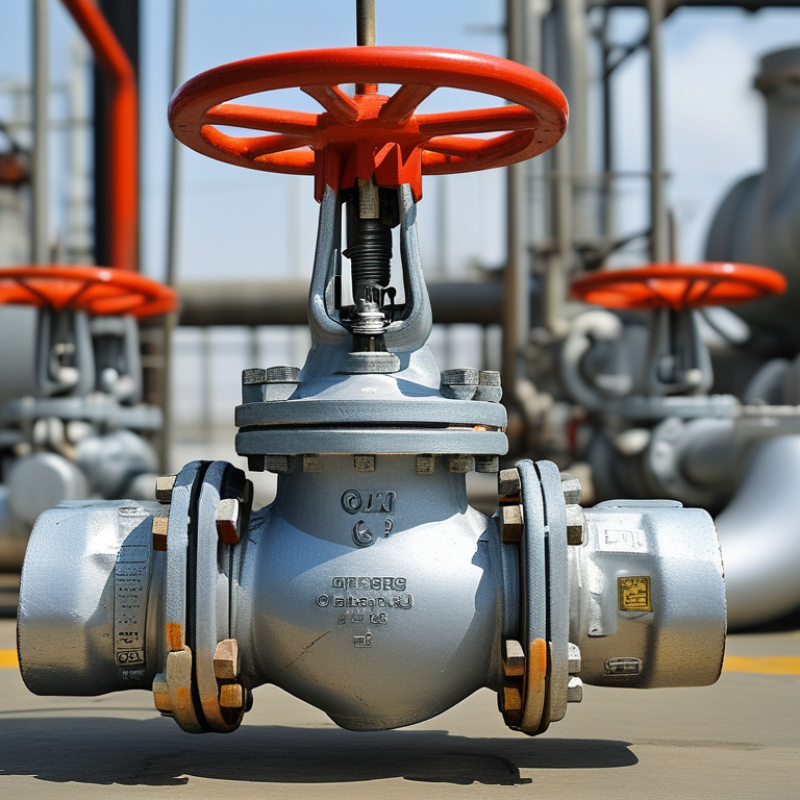
Define the Operating Conditions and Valve Service Requirements
Choosing a bellows sealed gate valve starts with the operating envelope, not the pipe size. Identify the fluid, pressure, temperature, phase, cleanliness, and flow direction. A hot, hazardous, or ultra-clean medium may require different body and trim materials. Record normal and upset conditions separately. A line rated at 16 bar may still experience damaging pressure spikes. Use process data, not memory. Small errors matter.
Define how often the valve moves and how quickly conditions change. Bellows have finite cycle limits, while repeated thermal expansion can reduce service life. Note whether the valve stays open for months or operates daily. Gate valves usually isolate flow rather than regulate it. Specify seat tightness, allowable external leakage, and any vacuum duty. Check installation details, including stem orientation, insulation, purge connections, clearance, and access for inspection. In field reviews, poor maintenance clearance has caused avoidable delays. The drawing looked correct. That detail was not.
Convert these requirements into a precise purchase specification. Include pressure class, design temperature, body and trim materials, end connections, actuator force, position indication, and test requirements. Ask for pressure-temperature ratings, cycle qualification, weld inspection records, seat-testing methods, and the bellows replacement procedure. Confirm that test documents identify the actual valve. I would also question unusually long cycle claims without test conditions. Service life depends on movement, temperature swings, installation quality, and operating discipline. A cautious specification is often cheaper than an impressive one.
Compare Bellows Sealing Designs and Construction Materials
Choosing a bellows sealed gate valve starts with the bellows design, not the valve size. Two common constructions are edge-welded and formed bellows. Edge-welded bellows use thin metal diaphragms joined at their edges. They offer high flexibility and precise movement in limited spaces. Formed bellows use a seamless tube shaped into convolutions. They usually provide stronger resistance to pressure and mechanical abuse, but may require more operating force. Multi-ply designs add protection against sudden leakage. They can also reduce flexibility.
Construction material must match the fluid, temperature, pressure, and cycling frequency. Stainless steel bellows suit many clean services, vacuum lines, and moderately corrosive media. Low-carbon stainless grades may be economical, but chloride exposure can shorten their life. Nickel-based alloys are better for severe heat or aggressive chemicals. However, the valve body, stem, and packing must also remain compatible. A strong bellows cannot compensate for a weak surrounding material.
Think beyond the catalog rating. Count expected opening cycles, pressure changes, and thermal movement. Ask for helium leak testing and documented fatigue data. In field inspections, welded joints often deserve close attention because small defects can remain invisible during normal operation. I once treated material selection as a temperature question alone. That was too simple. Installation alignment matters, too. Side loads can damage the bellows before the process shows any warning. Keep the design conservative where maintenance access is limited.
How to Choose a Bellows Sealed Gate Valve?
Compare Bellows Sealing Designs and Construction Materials
Material comparison: Higher yield strength can support thinner bellows walls and greater resistance to deformation, while density has a smaller influence on valve selection. The values shown are representative room-temperature properties for commonly used corrosion-resistant alloys; actual values vary with product form, heat treatment, thickness, and applicable standards.
Formed bellows: Manufactured from seamless or welded tubing and shaped by forming. They are generally economical, compact, and suitable for moderate cycling and standard industrial service.
Welded bellows: Built by edge-welding a series of thin diaphragms. They provide precise stroke control, low spring rates, and high flexibility, making them suitable for demanding cycle-life and high-purity applications.
Selection guidance: Choose 316L stainless steel for general corrosive service and cost-sensitive applications. Consider nickel-based alloys such as Alloy 625 or Alloy 718 when higher strength, chloride resistance, or elevated-temperature capability is required. Confirm pressure, temperature, cycle life, media compatibility, and welding requirements with the valve manufacturer.
Reference basis: representative minimum or typical room-temperature values reported for common wrought product forms in ASTM and ASME material specifications. Values are for comparison only and are not design allowables.
Select the Suitable Valve Size, Pressure Class, and End Connection
How to Choose a Bellows Sealed Gate Valve?
Choosing a bellows sealed gate valve starts with process data, not catalog dimensions. Field reviews often compare the pipe size, fluid, temperature, pressure, and operating frequency. A valve matching the pipe diameter may still create poor flow conditions. Check the required flow coefficient, line velocity, and available installation space. For steam, hot oil, or hazardous gas service, the bellows material and bonnet design require careful review. Small details matter.
Pressure class must cover both design pressure and design temperature. Do not rely only on normal operating pressure. Pressure-temperature tables, thermal cycling, and possible pressure surges should guide the selection. A higher class can improve the safety margin, but it may also increase weight, cost, and actuator effort. Bigger is not always better. I have found that early calculations sometimes miss startup conditions, especially when a cold pipeline receives hot fluid quickly.
End connection affects leakage control, maintenance, and field installation. Butt-weld ends provide a compact, permanent joint, while flanged ends support easier removal and inspection. Threaded ends may suit smaller, low-risk services, but they need strict application limits. Confirm flange standards, facing, bore, face-to-face dimensions, and weld procedures before ordering. A drawing can look correct and still hide an access problem. Recheck the valve orientation, nearby supports, and future maintenance path with the installation team.
Verify Standards, Quality Certifications, and Supplier Support
Choosing a bellows sealed gate valve requires more than checking size, pressure, and connection type. Standards should match the actual service conditions. For example, confirm whether the valve follows applicable requirements such as API 600, ASME B16.34, or EN standards. Do not rely on a familiar code without checking its scope. Temperature, media, pressure class, and installation region may change the correct specification.
Quality certifications also need verification. Request the manufacturer’s current quality certificate, material certificates, welding records, and pressure test reports. Check whether the documents identify the valve, heat number, test pressure, and inspection date. A certificate can look convincing. It may still be incomplete. I prefer traceable records that connect the finished valve to its raw materials and factory tests. Bellows weld inspection deserves special attention because a hidden defect can cause leakage after repeated cycling.
Supplier support often reveals the real level of expertise. Ask whether engineers can review the process data before selection. Confirm the availability of drawings, maintenance instructions, spare bellows, and replacement packing. A reliable supplier should explain testing methods without vague promises. Request a sample inspection plan and clarify the response time for technical questions. In practice, delayed answers can disrupt commissioning. I have also learned that “custom support” sometimes means only a sales reply, so written service commitments are worth requesting. Check the supplier’s experience with similar temperatures, pressures, and operating cycles.