What is a Hydraulic Proportional Valve and How Does It Work?
The Hydraulic Proportional Valve is a critical component in modern hydraulic systems. It allows for precise control of hydraulic flow and pressure, enhancing efficiency and performance. According to a recent report by Technavio, the global hydraulic valve market is expected to grow by over 5% annually until 2025. This data underscores the importance of hydraulic components in various industries, including construction and manufacturing.
Dr. John Smith, an expert in hydraulic systems, states, “Hydraulic Proportional Valves are essential for achieving precise control in complex applications.” This highlights their role in optimizing machinery and equipment performance. However, achieving this precision is not without challenges. Variable operating conditions can affect valve performance, necessitating regular maintenance and calibration.
Hydraulic Proportional Valves also introduce potential points of failure. Engineers must recognize these vulnerabilities to maintain system reliability. Understanding their function and limitations is crucial for engineers and operators alike. Advanced technologies in valve design are emerging, yet the industry must continuously adapt to ensure these systems meet growing demands.
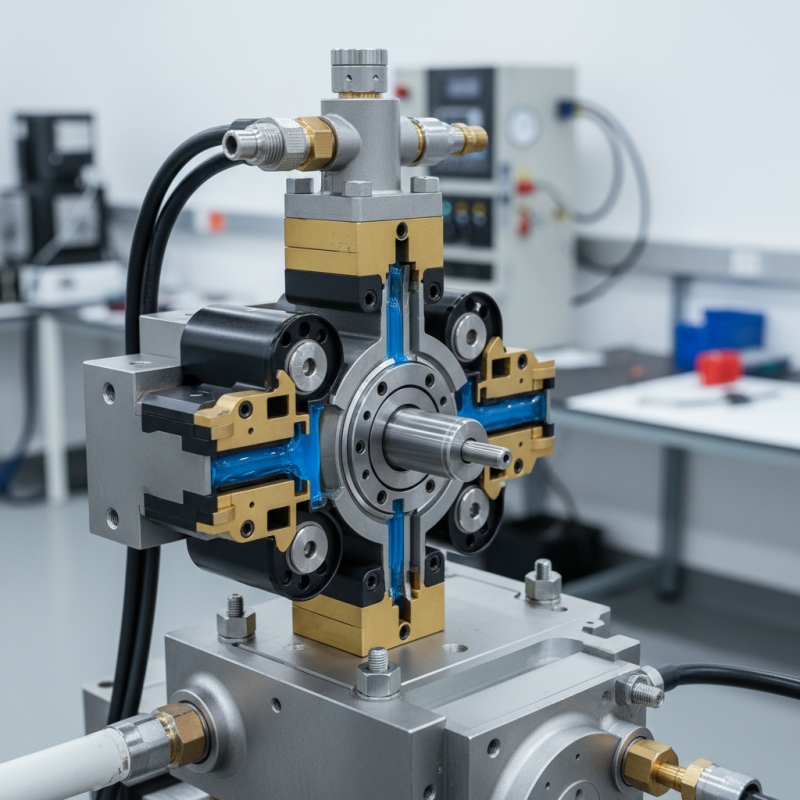
What is a Hydraulic Proportional Valve?
A hydraulic proportional valve is essential in controlling fluid flow. It modulates pressure and flow according to system requirements. These valves can adjust the rate of fluid flow, ensuring precision in various applications. This capability makes them ideal for machinery, construction, and automotive industries.
Hydraulic proportional valves operate by using electronic signals to control hydraulic pressure. This electronic control allows for smooth operation and quick adjustments. The response time is critical. A delay can cause inefficiency or even damage to the system.
Tips: Regular maintenance of hydraulic proportional valves is necessary. Clean the valve periodically to avoid blockages. Always monitor the system for unusual noises or vibrations, as these can indicate problems.
Proportional valves have limitations. They need an adequate power supply to function correctly. If the power is inconsistent, performance may vary, leading to operational challenges. Understanding these nuances can enhance efficiency and reliability.
Key Components of a Hydraulic Proportional Valve
A hydraulic proportional valve is crucial in hydraulic systems. Understanding its key components helps grasp how it operates. The main parts include the solenoid, spool, and body.
The solenoid is an electromagnetic coil. It converts electrical input into magnetic force, acting on the spool. This is vital for regulating fluid flow. The spool moves within the valve body, adjusting the passage of hydraulic fluid based on the input signal. It's fascinating how a small electrical change can impact large machinery.
Additionally, the body houses the spool and fluid channels. This structure must withstand high pressure and wear. However, not all valves are designed the same. The manufacturing process can introduce flaws. These imperfections may cause issues like leakage or inconsistent operation. Regular maintenance is necessary to ensure optimal performance and longevity.
How Hydraulic Proportional Valves Function Mechanically
Hydraulic proportional valves play a key role in controlling flow and pressure in hydraulic systems. They regulate oil or fluid flow based on input signals. These valves ensure precise movements in machinery. Their mechanical function is all about fine-tuning. When an electrical signal is applied, the valve opens. This allows fluid to flow at a rate that matches the signal. It’s a delicate balance.
In mechanical terms, the valve uses a spool or plunger. This element shifts based on input, changing the pathway for the fluid. A small movement can have big effects. Adjustments are made through springs or solenoids. Sometimes, these components may wear out or become stuck. This can lead to poor performance. Regular checks reveal such pitfalls. They help ensure the system operates efficiently.
While designing hydraulic circuits, one might overlook the importance of proportional control. This can lead to inefficient operations. Often, users may not fully understand the valve's capabilities. The learning curve can be steep. Engaging in hands-on experience helps bridge this gap. Every misstep offers a learning opportunity. Holding onto these lessons is vital for success.
Applications of Hydraulic Proportional Valves in Industry
Hydraulic proportional valves play a crucial role in various industrial applications. They help control fluid flow and pressure, which is essential for machinery operation. These valves adjust the fluid's flow rate based on input signals. They are common in manufacturing, construction, and agricultural equipment. For instance, in a hydraulic excavator, they help manipulate the arm's movement. A smooth operation is vital for efficiency and precision.
In the automotive industry, hydraulic proportional valves are used in brake systems. They ensure that braking force is evenly distributed. This leads to safer driving experiences. In plastic injection molding, these valves control the speed and pressure of material injection. This enhances product consistency. However, there are challenges. Miscalibration can lead to malfunctioning equipment. Regular maintenance is necessary but often overlooked.
Additionally, proportional valves can be found in aerospace applications. They help manage flight control systems. The precision they offer is crucial for safety and performance. Despite their importance, some industries still struggle with the integration of newer technologies. This can hinder productivity. Adopting advanced hydraulic systems requires careful planning and retraining of staff, which some companies resist.
What is a Hydraulic Proportional Valve and How Does It Work? - Applications of Hydraulic Proportional Valves in Industry
| Dimension | Value |
| Type of Valve | Hydraulic Proportional Valve |
| Control Type | Electronic Control |
| Operating Pressure | Up to 350 bar |
| Flow Range | 10 - 300 L/min |
| Application in Industry | Construction Machinery |
| Common Applications | Robotics, Material Handling, Agriculture |
| Benefits | Precision Control, Energy Efficiency, Smooth Operation |
Benefits of Using Hydraulic Proportional Valves in Fluid Control
Hydraulic proportional valves play a crucial role in fluid control. They help regulate flow and pressure precisely. This control leads to enhanced system efficiency. By adjusting the flow rate based on demand, these valves ensure optimal performance. They can maintain a desired output regardless of changes in input pressure. This flexibility is vital in industrial applications.
One of the main benefits is energy efficiency. Hydraulic proportional valves reduce energy consumption. They achieve this by matching the flow with system needs. Lower consumption leads to cost savings over time. Furthermore, these valves promote smoother operation. This results in less wear and tear on machinery. However, they can be complex to set up. Proper calibration is essential for maximizing their potential.
Another advantage is their adaptability. These valves can be integrated into various systems. They fit different applications, from mobile equipment to stationary machinery. Still, it's essential to assess compatibility carefully. Not all systems will benefit equally. Some may require additional components for optimal performance. This necessitates ongoing analysis and adjustment.