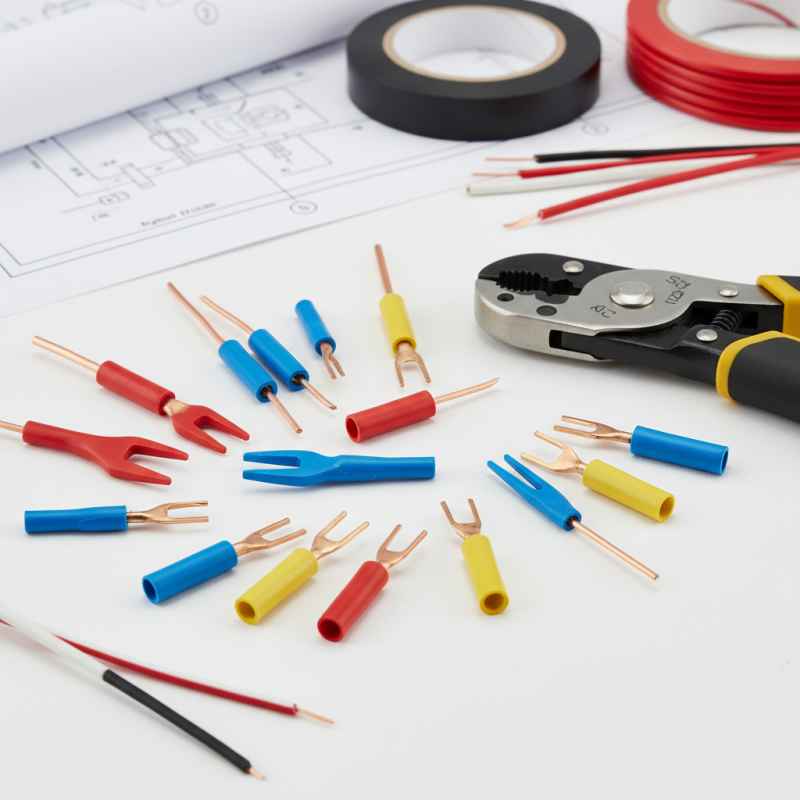
What are Nylon Insulated Terminals and their Benefits?
Nylon Insulated Terminals are essential components in electrical wiring. They offer a blend of durability, safety, and efficiency. These terminals have a nylon coating that provides excellent insulation. This insulation protects against accidental electrical contact.
When using Nylon Insulated Terminals, users can expect enhanced resistance to heat and corrosion. This makes them an ideal choice for various applications. However, not all terminals fit every task. Choosing the right size and type is crucial. Poor selection may lead to connection failures or short circuits.
Despite their benefits, some may overlook the proper installation techniques. Improper crimping can lead to weak connections. This could compromise safety and performance. Users should always follow best practices during installation. A small mistake can have significant consequences. Reflecting on these details is vital for achieving reliable electrical connections.
Definition of Nylon Insulated Terminals
Nylon insulated terminals are electrical connectors designed to secure wires and cables while providing insulation. These terminals are made from nylon, known for its durability and resistance to heat. The nylon casing acts as a protective barrier against environmental factors. They are commonly used in various applications, from automotive to industrial.
One notable feature of nylon insulated terminals is their ease of installation. Many users appreciate the simple crimping process that requires minimal tools. However, proper installation is crucial for a secure connection. If not done correctly, it can lead to poor electrical conductivity. Users often overlook this important step, which can cause future complications.
Another advantage of these terminals is their ability to withstand vibration and movement. Their robust design ensures that connections remain secure under demanding conditions. Yet, some may find that over time, wear and tear can affect performance. It is essential to periodically inspect connections. This vigilance can prevent unexpected failures in electrical systems. Proper maintenance and understanding the limitations can enhance the lifespan of nylon insulated terminals.
What are Nylon Insulated Terminals and their Benefits?
| Feature | Description | Benefits |
| Material | Nylon | Durable and resistant to abrasion |
| Temperature Range | -40°C to 105°C (-40°F to 221°F) | Suitable for various environments |
| Insulation | Electrical insulation | Prevents short circuits |
| Application | Automotive, electronics, electrical | Versatile usage across industries |
| Connection Type | Crimped terminals | Strong and reliable connections |
| Chemical Resistance | Resistant to oils and solvents | Increases longevity in harsh conditions |
Composition and Construction of Nylon Insulated Terminals
Nylon insulated terminals are widely used in electrical connections. Their composition includes a metal conductor and a nylon coating. The nylon provides superior insulation, protecting both user and equipment. The metal core ensures good conductivity, essential for effective connections.
Nylon's durability is crucial. It withstands high temperatures and resists moisture. Unlike other materials, nylon doesn’t easily crack under stress. This makes these terminals reliable in harsh environments. However, improper usage can lead to failures. Always check for compatibility with your wiring.
Tips:
Choose the right size and type for your project. A poor fit can compromise the connection. Inspect regularly for wear and tear. Damage can happen slowly over time. Remember, not all terminals suit every application, so research is key.
Key Benefits of Using Nylon Insulated Terminals
Nylon insulated terminals are essential components in electrical connections. They provide reliable insulation while ensuring secure connections. The material is resistant to wear, heat, and moisture. This resistance increases durability in various environments.
One major benefit is the enhanced safety they offer. Nylon insulation helps prevent accidental shorts. It also reduces the risk of electrical shocks, promoting user safety. Consider these terminals for outdoor or industrial use.
Tips: Always check the temperature rating before installation.
These terminals are easy to work with. They can be crimped onto wires without fancy tools. This simplicity can save time and effort. However, ensure the crimp is secure. A loose connection may lead to failures over time.
Another point to consider is the cost-effectiveness. While they may be slightly more expensive than other options, their longevity can offset the initial investment.
Tips: Buy in bulk to save money. Always assess your project needs before purchasing.
Applications of Nylon Insulated Terminals in Various Industries
Nylon insulated terminals are versatile connectors used in many industries. They provide a secure connection while protecting against corrosion and electrical faults. These terminals are common in automotive and aerospace applications. They help ensure safety in high-risk environments.
In the construction sector, nylon insulated terminals are favored for their durability. They withstand vibrations and harsh conditions, making them suitable for heavy machinery. Their use in electrical systems prevents short circuits. Proper installation can help avoid future issues.
Tip: Always select the right size terminal for your wire gauge. This ensures a snug fit and enhances performance.
The manufacturing industry also benefits from these terminals. They are easy to install, reducing labor costs. However, the wrong type can lead to failures. It's crucial to assess the specific needs of the application.
Tip: Regularly check connections for wear or damage. This can prevent unexpected shutdowns and maintain efficiency.
Maintenance and Safety Considerations for Nylon Insulated Terminals
When using nylon insulated terminals, maintenance is crucial. Regular inspections can prevent many serious issues. A report from the Electrical Safety Foundation International states that improper insulation can lead to electric shocks and fires. Inspect connections for wear, as aged terminals often degrade faster than expected.
Ensure all components are clean and free of contaminants. Ideally, terminals should be periodically wiped down to avoid dust accumulation. In high-humidity areas, corrosion can be a real threat. Statistically, terminals exposed to moisture experience a 40% higher failure rate.
Safety protocols are equally important. Use proper tools to avoid accidental shorts. Following the National Electrical Code guidelines is essential for any installation. It’s also valuable to understand your specific environment. Unpredictable conditions can challenge even the best materials. Nylon insulated terminals need respect in working conditions.