
Print Logo

China Top Flame Laminating Machine Manufacturers

China has become a major sourcing base for Flame Laminating Machine equipment, serving automotive interiors, furniture fabrics, footwear materials, insulation, and technical textiles. Its manufacturers offer compact production lines, wider working widths, automatic tension control, and customized heating systems. Yet a polished catalog does not guarantee stable bonding. Real performance appears during long production runs, fabric changes, and uneven foam surfaces.

Dr. George Wypych, a recognized polymer-processing authority, has stated, “A process is reliable only when its variables are controlled.” This principle is highly relevant to flame lamination. Buyers should examine flame height, burner uniformity, line speed, foam density, adhesive-free bonding strength, and exhaust management. A dependable supplier should explain these details clearly. Factory testing should include actual materials, not only standard samples.

The strongest China Flame Laminating Machine manufacturers usually provide application trials, operating instructions, spare parts, and responsive technical support. Look for documented quality checks on burners, rollers, sensors, and emergency-stop systems. Ask for measured output rather than broad promises. A machine rated at 25 meters per minute may run slower with thick foam or delicate fabrics. That is normal, but it must be disclosed.

There is room for doubt.

Some specifications remain incomplete until installation. Energy consumption can also vary with foam type and burner adjustment. Therefore, this guide compares manufacturers through practical evidence, engineering capability, after-sales reliability, and transparent communication. The best choice is not always the cheapest machine. It is the machine that repeatedly produces clean, even bonding under real factory conditions.
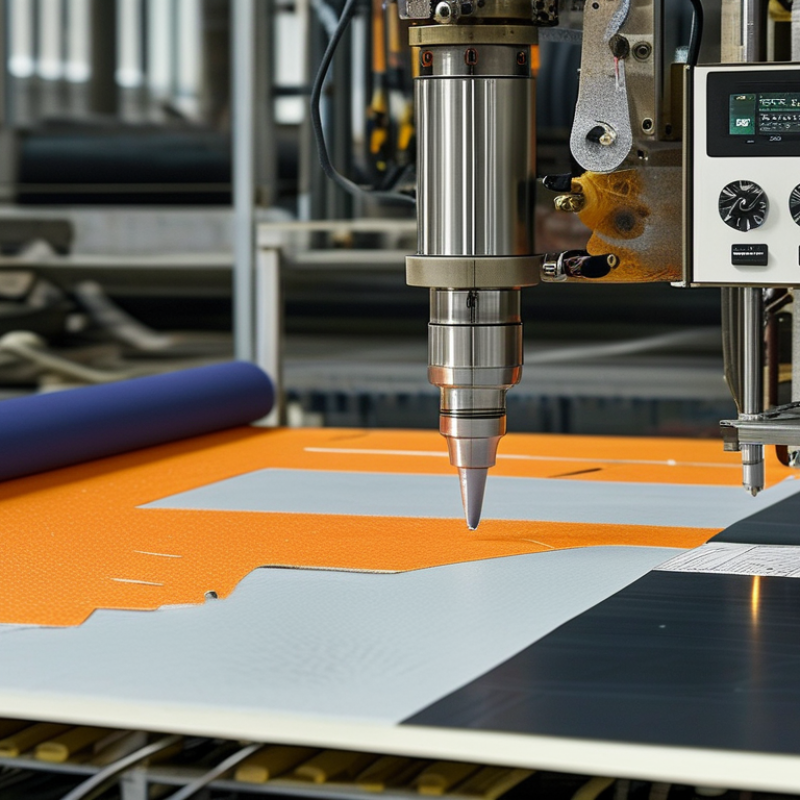
China Top Flame Laminating Machine Manufacturers

What Is a Flame Laminating Machine?

China Top Flame Laminating Machine Manufacturers

What Is a Flame Laminating Machine?

A flame laminating machine bonds materials with controlled heat instead of liquid adhesive. A gas burner briefly activates a polymer surface. Pressure rollers then join it with fabric, foam, film, or another flexible layer.

The process is fast and clean. It can reduce adhesive storage, drying time, and added weight. Typical machines include burners, pressure rollers, tension controls, exhaust systems, and safety interlocks. Operators must adjust flame intensity, web speed, roller pressure, and material spacing carefully. Small changes can affect bonding strength and surface appearance.

The process is not forgiving. Too much heat may shrink fabric, scorch foam, or weaken the substrate. Too little heat can create weak bonding and visible peeling. Moisture, dust, and uneven tension can also cause defects. A reliable machine should provide stable flame control, accurate temperature monitoring, and accessible emergency stops.

Practical testing remains essential. Production teams usually inspect peel strength, wrinkle formation, odor, and edge quality before full-scale operation. Different materials need different settings. A successful trial on one foam may fail on another. That limitation matters. Proper ventilation, operator training, and routine burner maintenance support safer, more consistent production.

How Flame Laminating Technology Works

Flame laminating bonds foam and fabric without liquid adhesive. A controlled gas burner briefly activates the foam surface. Polyurethane foam passes above the flame, forming a thin, tacky layer. Rollers then press textile onto the softened surface. Heat exposure usually lasts only seconds. Line speed, burner distance, foam density, and pressure determine bond quality. A neat temperature number can mislead. The surface response matters more than the flame alone.

According to Grand View Research, the global automotive textiles market was valued at about USD 4.4 billion in 2022. It is projected to grow at roughly 5.7% annually through 2030. This demand supports wider use of lightweight laminated interior materials. In practical production, many lines operate between 10 and 40 meters per minute, depending on material thickness. Operators monitor flame stability, fabric tension, and foam shrinkage continuously. Small airflow changes can create weak edges or visible scorching.

The process uses little adhesive waste. It can also reduce drying time. However, flame treatment is not automatically safer or more reliable. The U.S. Occupational Safety and Health Administration emphasizes guarding, ventilation, and combustible-material control around industrial burners. These details require disciplined maintenance. I would not judge a machine by speed alone. A slower line with stable heat often produces fewer rejects. Results still vary with foam chemistry, fabric coating, and operator adjustment. That variability deserves more testing.

China Top Flame Laminating Machine Manufacturers - How Flame Laminating Technology Works
Technical Dimension Typical Data or Industry Practice How It Works or Why It Matters Verification Reference
Lamination Principle Direct flame bonding without liquid adhesive The flame briefly melts or activates the surface of thermoplastic foam, creating a tacky layer that bonds to fabric, film, or another compatible substrate under pressure. Process description used in flexible polyurethane foam flame lamination.
Common Foam Material Flexible polyurethane foam, generally open-cell foam Polyurethane foam can form a receptive surface when exposed to controlled heat. The foam grade, density, cell structure, and surface condition strongly affect bonding quality. Material suitability must be confirmed through a production trial and bond-strength testing.
Common Facing Materials Knitted fabric, woven fabric, nonwoven, textile laminate, and selected films The facing must tolerate short-term thermal exposure and make sufficient contact with the activated foam surface during nip rolling. Compatibility depends on fiber type, coating, finish, melting point, and shrinkage behavior.
Fuel Options Natural gas or liquefied petroleum gas such as propane Fuel is mixed with air and delivered through a burner. Gas quality, pressure stability, burner design, and ventilation influence flame uniformity. Fuel selection must comply with local gas-safety and installation requirements.
Theoretical Flame Temperature Approximately 1,900–2,000°C for common hydrocarbon gases burning in air under ideal conditions This is an ideal combustion value, not the actual temperature at the foam surface. Heat transfer is controlled by burner distance, exposure time, gas-air ratio, and line speed. Actual operating conditions are normally established by process trials and thermal monitoring.
Typical Production Speed Often configured from low single-digit speeds to several tens of metres per minute Higher speed reduces heat exposure time, while lower speed increases the risk of foam damage. The correct setting depends on foam thickness, density, flame intensity, and facing material. There is no universal speed; the machine specification and validated process window should be reviewed.
Flame Exposure Control Controlled by burner height, gas flow, air flow, flame width, and web speed Uniform exposure activates the foam surface without excessive shrinkage, scorching, smoke generation, or loss of elasticity. A stable blue flame and consistent transverse coverage are common operational targets for gas burners.
Bonding Pressure Applied through a nip roller or pressure roller after flame activation Pressure brings the two surfaces into intimate contact while the foam surface remains tacky. Excessive pressure can compress the foam permanently or distort the textile. Pressure is normally adjusted according to foam resilience, thickness, and laminate construction.
Adhesive Requirement Normally no separate liquid or hot-melt adhesive is required Removing adhesive can reduce adhesive handling, drying, curing, and volatile-organic-compound concerns. However, flame lamination is limited to materials with suitable thermal and chemical compatibility. A trial is required where a barrier film, coating, or flame-retardant treatment is present.
Typical Applications Automotive interior components, furniture upholstery, mattresses, garment padding, footwear materials, and acoustic products Flame-laminated foam can provide cushioning, drape, thermal insulation, sound absorption, or surface comfort, depending on the laminate structure. The final application may require additional requirements for odor, fogging, flammability, wash durability, or emissions.
Main Quality Indicators Peel strength, bond uniformity, appearance, foam compression, scorch level, dimensional stability, and odor These indicators reveal whether the flame energy and nip conditions are balanced across the full web width. Testing methods should be selected according to the product specification and end-use sector.
Density Measurement Reported in kilograms per cubic metre (kg/m³) Foam density affects heat absorption, surface activation, compression response, and the amount of flame energy required. ISO 845 is commonly used for the apparent density of cellular plastics and rubbers.
Flexible Foam Testing Compression, tensile, tear, fatigue, and dimensional-stability tests may be required Flame exposure can alter the surface and mechanical behavior of the foam, so the laminate should be tested rather than judged only by visual appearance. ASTM D3574 is widely used for testing flexible cellular materials; applicable clauses depend on the product.
Ventilation and Exhaust Required for combustion products, smoke, and heat generated during processing Local exhaust helps control airborne contaminants and heat around the burner and bonding zone. The exhaust system must not disturb flame stability. System design should follow applicable occupational-safety, fire-safety, and building regulations.
Safety Features to Review Flame-failure detection, automatic gas shutoff, emergency stop, over-temperature protection, guarding, and exhaust interlock These controls reduce the risk of unburned gas release, uncontrolled heating, operator exposure, and fire propagation. The exact safety architecture should be checked against the machinery risk assessment and local regulations.
Energy and Material Efficiency Potentially lower adhesive consumption and fewer adhesive-processing stages Because bonding is created directly at the foam surface, the process can reduce adhesive storage and drying requirements. Energy use still depends on burner output, line speed, exhaust, and warm-up time. Energy performance should be measured using actual gas consumption per square metre of finished laminate.
Note: The figures and practices above are general technical references rather than guaranteed machine specifications. Final settings should be validated with the actual foam, facing material, laminate width, burner system, safety requirements, and end-use performance criteria.

Key Features of China’s Top Manufacturers

China’s top flame laminating machine manufacturers focus on stable bonding, precise control, and practical factory use. Their machines commonly support foam, textile, leather, and other heat-sensitive materials. Precision matters here. A controlled flame keeps the adhesive layer even and reduces surface damage. Operators should be able to adjust flame height, line speed, and material tension without complicated steps.

Strong manufacturers use tested burners, reliable sensors, and reinforced machine frames. These details support continuous production and reduce unexpected shutdowns. In factory audits, buyers should inspect temperature consistency across the working width. They should also check emergency stops, flame monitoring, ventilation design, and guarding around moving parts. Safety cannot be treated as decoration. It directly affects daily operation and maintenance costs.

Experienced suppliers usually provide process trials, installation guidance, and operator training. Some can modify roller width, heating capacity, or feeding systems for specific materials. However, customization needs careful review. A larger working width may increase output, but it can also require stronger tension control. Not every impressive specification improves production. Buyers should request sample results, maintenance schedules, spare-part details, and clear performance data. Honest communication is important, because real factory conditions rarely match a perfect showroom test. After-sales response also deserves attention, especially when production depends on stable bonding quality.

How to Evaluate Flame Laminating Machine Suppliers

How to Evaluate Flame Laminating Machine Suppliers

Choosing a flame laminating machine supplier requires more than comparing line speed. Ask for test results using your actual foam, fabric, coating, and adhesive structure. A reliable supplier should provide peel-strength data, flame stability records, temperature ranges, and production samples. Request a factory acceptance test before shipment. Small details matter, such as burner adjustment, web tension control, and access to cleaning points.

Energy use deserves careful review. The International Energy Agency reported that industry consumed about 37% of global final energy in 2022. Therefore, ask suppliers for gas consumption per production meter, heat recovery options, and standby energy data. Do not accept “high efficiency” without measured conditions. Compare identical widths, speeds, substrates, and operating temperatures. A machine may look efficient on paper, yet perform poorly with thicker materials.

Supplier support is equally important. Check technician response times, spare-parts availability, operator training, and remote troubleshooting procedures. ISO 9001 certification can support process consistency, but it does not guarantee strong machine performance. Industry 4.0 data is useful only when sensors produce actionable records. Review maintenance logs from comparable installations, if available. I would also inspect the burner safety system personally; photographs can hide awkward service access. One overlooked weakness is often the most expensive one. Use an independent engineer for final verification when the investment is significant.

How to Evaluate Flame Laminating Machine Suppliers

This evaluation framework uses practical purchasing criteria for flame laminating machines. Technical performance and production reliability receive the highest weighting, followed by safety compliance, after-sales service, customization capability, and total operating cost.

Major Applications and Industry Trends

Major Applications and Industry Trends

Flame laminating machines bond foam, fabric, and films without liquid adhesives. This process supports automotive seat covers, headliners, footwear uppers, mattresses, and protective workwear. Grand View Research estimates the global technical textiles market will grow at about 6% annually through 2030. That expansion is increasing demand for flexible, repeatable bonding equipment.

Manufacturers now focus on lower energy use, automatic tension control, and digital flame monitoring. Smithers’ The Future of Nonwovens to 2028 identifies hygiene, healthcare, filtration, and transportation as important growth areas. These sectors require stable lamination, clean surfaces, and consistent peel strength. Recycled polyester and bio-based foams are entering production, although their heat response can vary. That detail is easy to underestimate. A faster line is not always a better line.

Tips: Match burner intensity with foam density and fabric structure. Check peel strength at the start, middle, and end of each roll. Record gas pressure, line speed, nip pressure, and material moisture. Operators should use guarded equipment and documented maintenance procedures. Small variations matter. An internal quality review may reveal that production settings were copied from older materials, not validated for newer recycled inputs.