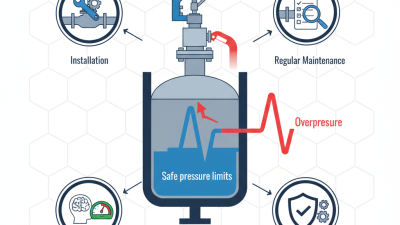
10 Best Pressure Valve Manufacturers for Global Buyers
Choosing the right pressure valve manufacturer can protect equipment, production schedules, and workplace safety. A reliable supplier should offer more than attractive prices. Buyers need tested designs, clear pressure ratings, suitable materials, and consistent quality control.
This guide examines ten pressure valve manufacturers serving global buyers. The review considers product range, engineering experience, certifications, testing procedures, delivery capability, and technical support. Practical details matter. A valve used on a steam line may require different materials from one handling corrosive chemicals. Thread size, operating temperature, connection type, and maintenance access can also affect long-term performance.
No shortlist is flawless.
Manufacturers often excel in different areas. One may provide advanced control systems, while another offers faster custom production or stronger regional support. Public information can also vary in depth, making direct comparisons imperfect. That limitation deserves attention. Buyers should verify test reports, traceability records, warranty terms, and local compliance requirements before placing an order.
The selected companies represent established options across industrial sectors, including oil and gas, water treatment, power generation, food processing, and chemical manufacturing. Their reputations are assessed through technical capability, customer experience, documented reliability, and service responsiveness. A polished catalog is not enough. Real confidence comes from consistent performance under pressure, clear communication, and support after installation. This overview aims to help engineers, procurement teams, and distributors create a more informed shortlist.
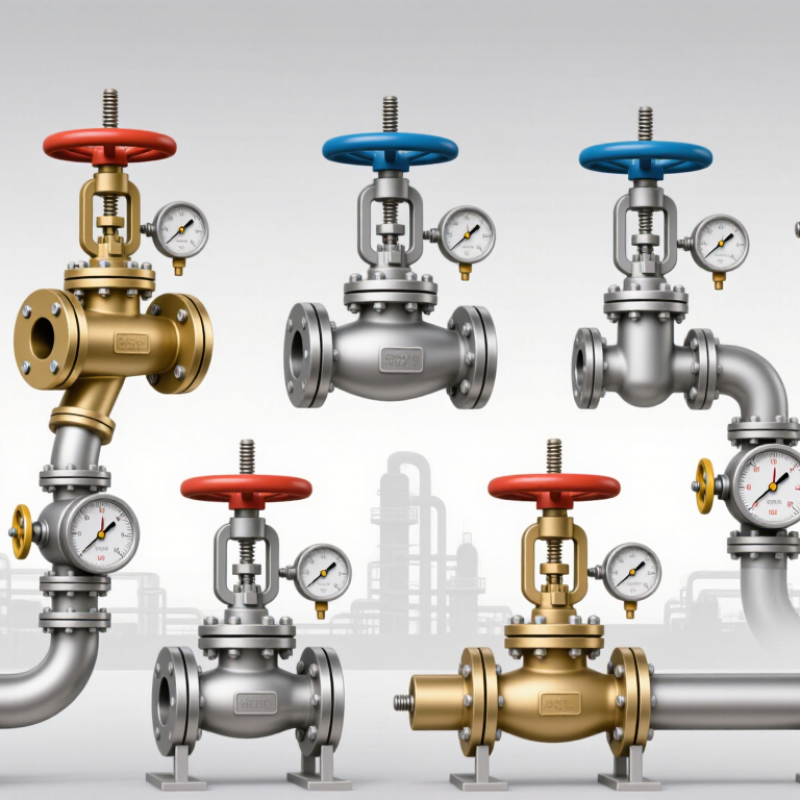
Pressure Valve Manufacturers: Industry Role and Product Scope
Pressure valve manufacturers protect process systems from excessive pressure, reverse flow, and unstable operating conditions. Their products serve refineries, chemical plants, power stations, water networks, and hydrogen facilities. The global industrial valves market was valued at about USD 79 billion in 2023, according to Grand View Research. Pressure-control equipment represents a critical part of that value chain. Small failures can cause leaks, downtime, or serious equipment damage.
Manufacturers usually produce safety valves, pressure-reducing valves, control valves, and rupture-disc assemblies. Their responsibilities extend beyond machining. They select alloys for corrosive media, calculate spring settings, and perform hydrostatic and seat-leakage tests. ASME and ISO standards guide design, testing, and quality control. The International Energy Agency reported that global hydrogen demand reached nearly 97 million tonnes in 2023. This growth increases demand for valves that manage high pressure and frequent cycling. Real-world selection is less clean than a catalogue suggests. Temperature changes, dirty media, and poor installation can defeat an excellent design.
Buyers should review traceability records, calibration certificates, material reports, and after-sales response times. A valve rated for 40 bar may still fail if the pressure spikes rapidly. Field experience matters. Yet supplier evaluations often overvalue price and overlook maintenance access. That is a weakness worth correcting. Manufacturers with documented testing procedures, trained engineers, and regional service capacity provide stronger support for global projects. According to MarketsandMarkets, the industrial valves market is projected to grow steadily through 2028, driven by water treatment, energy, and process industries. Suppliers must therefore deliver reliable products, clear documentation, and practical engineering guidance.
Pressure Valve Manufacturers: Industry Role and Product Scope
Pressure-class ratings are a practical way to compare the operating scope served by industrial valve manufacturers. The chart shows approximate pressure ratings for ASME B16.34 carbon-steel valve classes at ambient temperature. Actual allowable pressure depends on material grade, temperature, design, and applicable standards.
Common product scopes include isolation, control, check, safety, and pressure-reducing valves for oil and gas, power generation, chemical processing, water treatment, and other high-pressure applications.
Top Pressure Valve Manufacturers and Their Core Strengths
The best pressure valve manufacturers serve different industrial needs rather than competing on one universal ranking. Forged-steel specialists are valued for compact designs, high-pressure durability, and strong performance in oil, gas, and power systems. Cast-valve producers often provide flexible sizes for water treatment, chemical processing, and general industrial pipelines. Their core strength is scalable production.
Cryogenic valve manufacturers focus on low-temperature service, reliable sealing, and tested materials for liquefied gases. Severe-service specialists develop anti-cavitation trims and hardened internals for high pressure drops.
Control valve manufacturers add accurate flow regulation, actuator integration, and digital monitoring. Some suppliers also excel in hygienic valves for food, pharmaceutical, and clean-process facilities.
Global buyers should examine pressure ratings, temperature limits, leakage results, and material traceability. Independent testing can reveal weaknesses that brochures hide. It matters.
A dependable manufacturer should provide drawings, inspection records, installation guidance, and responsive technical support. Regional service centers reduce delays when seals, actuators, or replacement parts are needed. Yet no supplier excels in every application. A manufacturer with excellent cryogenic experience may offer limited wastewater expertise. That trade-off deserves attention.
Factory audits, sample approvals, and reference checks improve purchasing confidence. Certification alone is not enough. Actual field performance, communication quality, and after-sales discipline often decide long-term value. Pricing still matters, but the cheapest valve can become expensive after repeated shutdowns.
Certifications, Standards, and International Market Coverage
10 Best Pressure Valve Manufacturers for Global Buyers
Certifications, standards, and market coverage reveal more than product catalogs. A capable pressure valve manufacturer should provide traceable material certificates, pressure-test records, and calibration evidence. ISO 9001 supports controlled production, but it does not prove every valve suits every application. Buyers should check design compliance with ASME, API, EN, or applicable regional pressure-equipment rules.
Market data shows why this review matters. The MarketsandMarkets Industrial Valves Market report projects the sector will reach about USD 91 billion by 2028, driven by energy, water, and chemical projects. Meanwhile, the ISO Survey reports millions of certified management-system sites worldwide, yet certification quality can still vary between factories. Ask for the certificate number, issuing body, scope, and expiration date. A scanned logo is not enough.
International coverage also requires practical evidence. Strong manufacturers maintain local technical support, spare-part routes, and documentation in buyer-friendly formats. For Europe, verify pressure-category assessment and conformity documentation. For North American projects, review ASME or API alignment and independent test procedures. Sour-service applications may require material controls under ISO 15156. That detail matters near a refinery pipe rack, where corrosion can remain invisible until failure. I have seen buyers focus on purchase price first; it often creates expensive delays later. No certificate replaces engineering judgment. Check temperature limits, set pressure, end connections, and test medium before approval.
How Global Buyers Can Select the Right Manufacturer
10 Best Pressure Valve Manufacturers for Global Buyers
How Global Buyers Can Select the Right Manufacturer
Choosing among the 10 best pressure valve manufacturers requires more than comparing prices. Start with the application: pressure range, temperature, fluid type, connection size, and operating frequency. A suitable manufacturer should explain how its valve design matches these conditions. Ask for material certificates, pressure-test records, dimensional drawings, and clear product traceability. Vague answers are a warning sign.
Manufacturing experience matters. Review production equipment, inspection procedures, quality controls, and technical staff qualifications. Reliable suppliers can describe testing methods, failure prevention, and maintenance requirements without hiding behind marketing language. Check whether their valves follow recognized international standards relevant to your project. Also examine delivery capacity, spare-part availability, warranty terms, and communication during technical changes. Fast replies are useful, but accurate replies matter more.
Tips: Request a sample or inspection report before placing a large order. Compare several technical offers using the same specifications. Speak with a current customer if possible. Do not select the lowest quote automatically; a cheaper valve may create higher installation and maintenance costs. I have seen buyers focus too heavily on purchase price and overlook calibration support. That mistake is easy to make. No checklist is perfect. Leave room for site conditions, future capacity changes, and honest technical review. A manufacturer that admits design limits may be more dependable than one promising everything.