What is a Water Pressure Reducing Valve and How Does it Work?
In the world of plumbing, understanding the role of a water pressure reducing valve is essential. John Smith, an industry expert, once said, "A water pressure reducing valve can save both water and money." This highlights its importance in managing water flow efficiently.
A water pressure reducing valve serves to lower the incoming water pressure from the main supply. High water pressure can damage pipes, appliances, and fixtures over time. This valve ensures that water is delivered at a safe, manageable pressure in residential and commercial systems.
However, many homeowners overlook this crucial component. Regular maintenance is often neglected. Inadequate attention can lead to leaks or malfunctions. It’s essential to recognize that proper installation and care can prevent costly repairs. By understanding the function and necessity of a water pressure reducing valve, individuals can enhance their plumbing systems and usage efficiency.
What is a Water Pressure Reducing Valve?
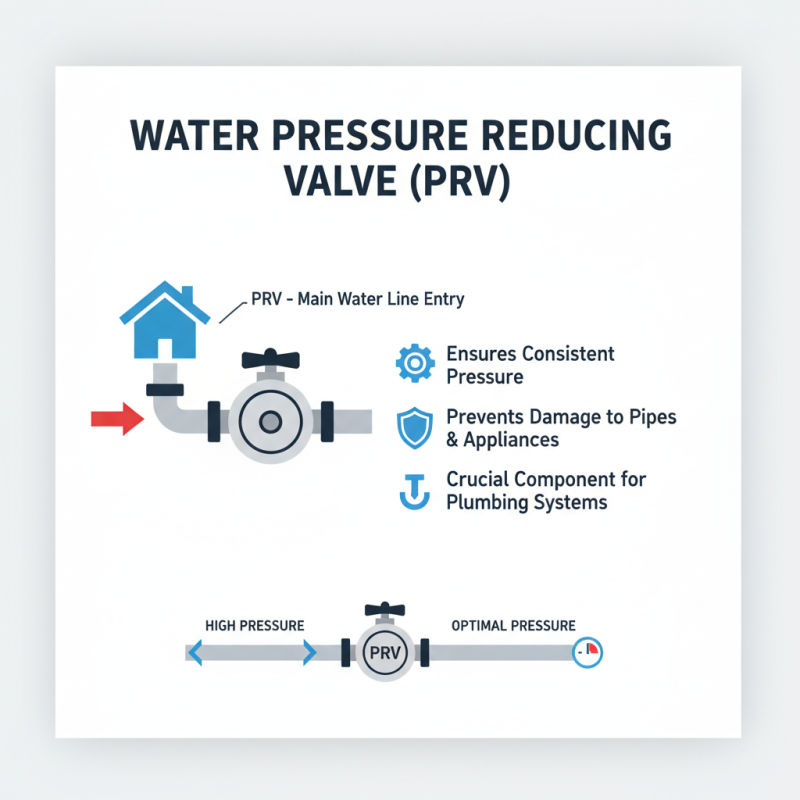
A water pressure reducing valve (PRV) is a crucial component in plumbing systems. It ensures a consistent water pressure throughout the system. This is essential in preventing damage to pipes and appliances. A typical PRV is installed where the main water line enters a building.
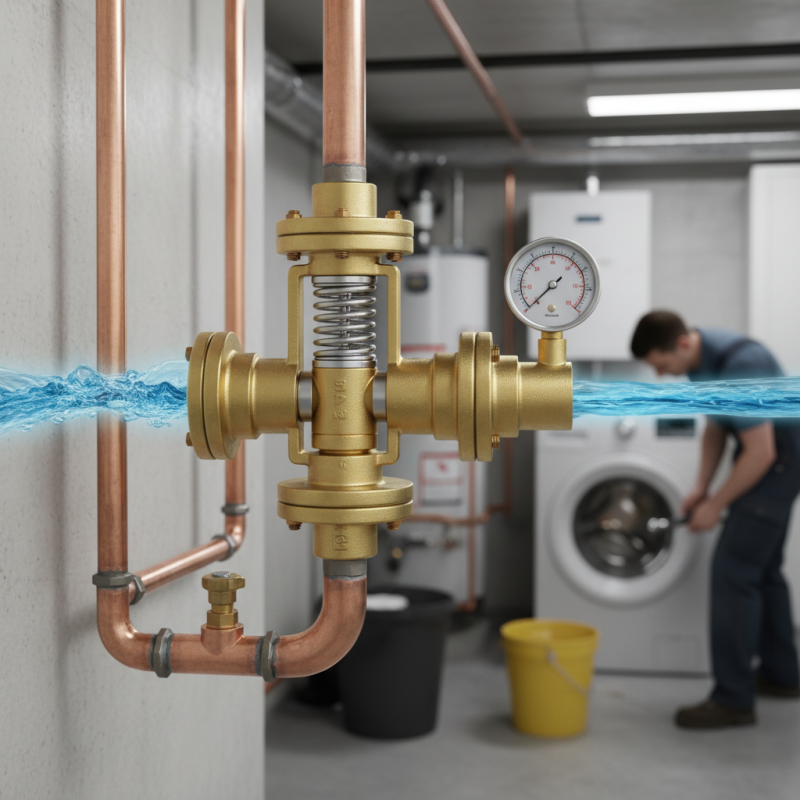
When water enters the valve, it passes through a diaphragm mechanism. This mechanism helps in reducing the high incoming water pressure. It then delivers water at a lower, regulated pressure. This is particularly helpful in homes with older plumbing, where high pressure can cause leaks. PRVs can be adjusted to achieve the desired pressure setting.
Some homeowners may overlook the importance of regular inspection. A malfunctioning valve can lead to fluctuations in pressure. Low pressure can affect daily activities, while excessive pressure can cause wear and tear. Understanding the function of a PRV is vital for maintaining a healthy plumbing system. Taking time to learn about it can pay off in the long run.
The Importance of Water Pressure Regulation
Water pressure regulation is crucial for any plumbing system. The right pressure ensures smooth operation and longevity. Too much pressure can lead to leaks, burst pipes, and damage to appliances. It can also increase water wastage, impacting utility bills. A well-regulated system reduces these risks and enhances efficiency.
Understanding how water pressure works is important. Without regulation, pressure can fluctuate wildly. High-pressure water can literally blast through fittings. This volatility can create weak spots in plumbing. When there's an issue, it often means more repairs and costly fixes. People often overlook these details until problems arise.
Investing in a water pressure reducing valve can be a smart choice. It provides peace of mind. Simple installations can save a lot in the long run. However, not everyone considers this essential. Regular checks and maintenance are needed to avoid future problems. Awareness of pressure levels is a vital aspect of home care.
How a Water Pressure Reducing Valve Operates
A water pressure reducing valve is essential for home plumbing. It controls the flow of water from the main supply. This means your pipes and fixtures face less pressure. High water pressure can cause leaks and damage over time. That’s where this valve comes in.
The operation is straightforward. The valve uses a spring and diaphragm mechanism. When water enters, the diaphragm moves. It adjusts the pressure by regulating the flow. As the water passes through, the valve lowers the pressure to a safe level. This protects your plumbing system from excessive force. You may notice a difference in the shower’s comfort.
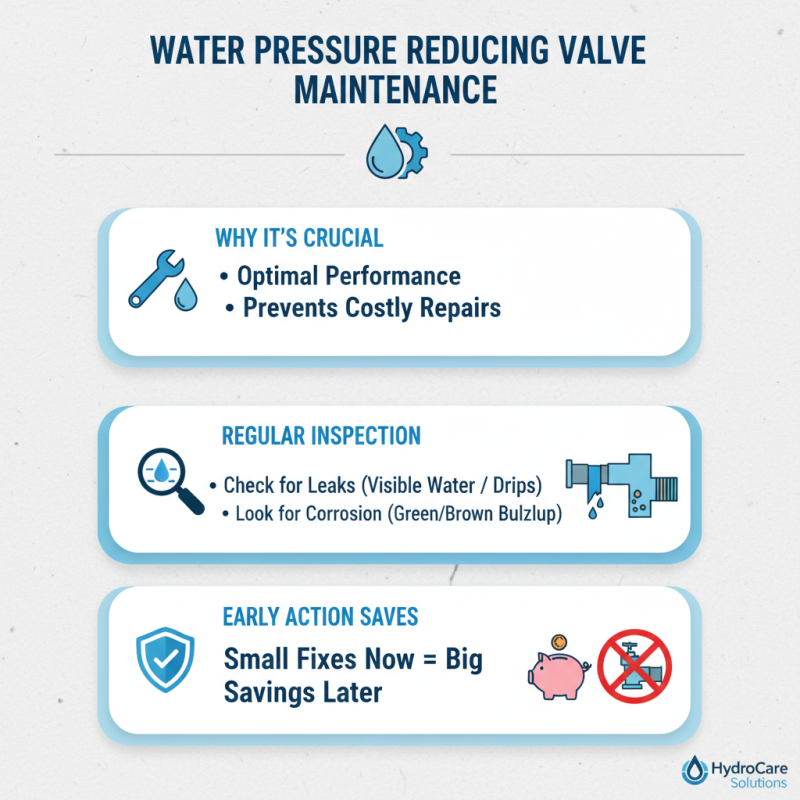
**Tip:** Regular maintenance is vital. Check the valve for any leaks. A small drip can indicate a bigger issue.
Many people forget about these valves. They are often hidden away. Neglect can lead to problems in the long run. So, don’t overlook them. With proper attention, your plumbing can thrive.
**Tip:** If you're unsure, consult a plumber. They can provide insights specific to your home. Understanding your system helps.
What is a Water Pressure Reducing Valve and How Does it Work?
| Feature |
Description |
Typical Pressure Range (psi) |
Applications |
| Function |
Reduces incoming water pressure to a lower, consistent level. |
20 - 80 |
Residential, commercial plumbing systems. |
| Components |
Spring, diaphragm, adjusting screw, inlet and outlet ports. |
N/A |
Used in various plumbing installations. |
| Installation |
Typically installed at main water service line. |
N/A |
Essential for homes with high pressure. |
| Benefits |
Prevents plumbing damage, improves appliance longevity. |
N/A |
Suitable for various residential and commercial needs. |
| Maintenance |
Regular checks for leaks, adjust pressure settings as needed. |
N/A |
Ensures optimal functioning of plumbing systems. |
Common Applications and Benefits of Using the Valve
A water pressure reducing valve (PRV) is essential in modern plumbing systems. It regulates incoming water pressure, ensuring a consistent flow. High water pressure can damage pipes and appliances. A PRV protects these systems, extending their lifespan.
Common applications for PRVs include residential homes and commercial buildings. In homes, they prevent water hammer and reduce noise in piping. Reports indicate that improper water pressure can lead to burst pipes, costing homeowners thousands in repairs. Commercial facilities also benefit. PRVs ensure the reliability of water supply and protect sensitive equipment, enhancing operational efficiency.
Tips: Regular maintenance of your PRV is crucial. Inspect it annually to prevent leaks and ensure optimal performance. Consider installing a gauge to monitor water pressure effectively.
Using a PRV can lead to significant savings. According to industry studies, maintaining the proper pressure can lower water bills by up to 30%. However, without careful installation, issues can arise. A poorly set PRV might not provide enough pressure for certain fixtures. It's important to evaluate your specific needs.
Water Pressure Reducing Valve: Common Applications and Benefits
This chart illustrates the benefits of using water pressure reducing valves across various applications, showcasing the average pressure reduction achieved in psi. These valves are essential for ensuring safe and efficient water pressure management in different systems.