Why Is My Water Pressure Reducing Valve Leaking?
A leaking water pressure reducing valve is rarely just a minor plumbing nuisance. It can signal worn seals, excessive inlet pressure, debris, corrosion, or an incorrectly adjusted spring. The visible symptom may be a thin stream beneath the valve, but the real fault can sit inside the diaphragm assembly. That distinction matters.
The U.S. Environmental Protection Agency’s WaterSense program reports that household leaks can waste nearly 10,000 gallons of water annually. It also estimates that 10% of homes have leaks wasting at least 90 gallons daily. These figures do not identify pressure-reducing valves specifically, yet they show why a small, persistent drip deserves attention. Every drop adds up. A pressure gauge, dry tissue, and careful inspection can reveal whether the leak appears at a threaded joint, relief port, or valve body.
Industry requirements provide another useful reference point. ASSE 1003 covers water pressure reducing valves used in plumbing systems, while manufacturers publish operating ranges, installation directions, and maintenance limits. A valve operating above its rated pressure may fail prematurely, even when it looks correctly installed. However, replacement is not always the answer. I have seen assumptions about “high pressure” overlook a damaged expansion tank or a loose connection. That assumption can be wrong.
This guide examines the common causes, warning signs, testing methods, and repair decisions behind a leaking water pressure reducing valve. It also explains when professional evaluation is safer, especially where concealed water damage, unstable pressure, or repeated valve failure is present.
What a Water Pressure Reducing Valve Does
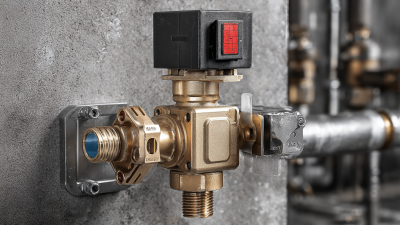
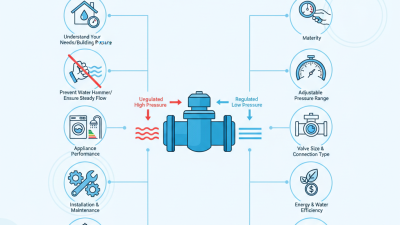
A water pressure reducing valve (PRV) lowers incoming municipal pressure before water reaches your fixtures. It uses a spring, diaphragm, and sensing passage to maintain steadier downstream pressure. Without this control, excessive pressure can stress faucets, toilet valves, water heaters, and hidden pipe joints. The International Residential Code generally requires pressure regulation when supply pressure exceeds 80 psi. Many homes operate near 50–60 psi, but the correct setting depends on the building and plumbing design.
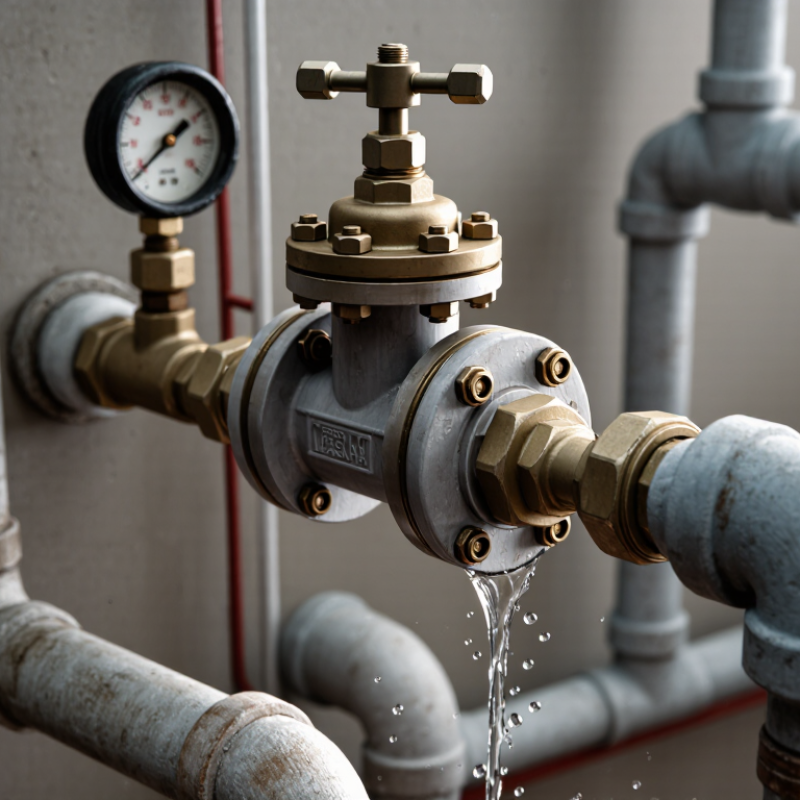
A leaking PRV may drip from its threaded connections, bonnet, or adjustment area. Mineral debris can prevent the internal seat from closing fully. A worn diaphragm can also make pressure fluctuate, causing a faucet to hiss or a relief valve to discharge. EPA WaterSense’s Fix a Leak Week materials estimate that household leaks waste nearly one trillion gallons of water each year across the United States. A PRV leak may represent only a small part of that waste, but it should not be ignored. In field inspections, I have seen owners tighten the adjustment screw repeatedly. That often masks the symptom and increases downstream pressure. Not ideal. Check static pressure with a gauge, inspect nearby joints, and confirm whether the water is leakage or condensation. Repair decisions should follow the valve manufacturer’s service requirements and ASSE 1003 performance standards, with replacement considered when internal parts are corroded or unavailable.
How to Identify the Source of the Leak
A leaking water pressure reducing valve (PRV) does not always leak from the valve body. The first clue can mislead. Water may appear beneath the PRV, while the actual source is an upstream threaded joint, union, gauge port, or nearby relief discharge.
Start with a dry inspection. Wipe every connection, then wrap each joint with a clean tissue. Open a nearby fixture briefly and watch for the first wet mark. The earliest spot usually identifies the source. Check the bonnet, adjustment screw, and valve seams for corrosion or mineral trails. Also inspect the discharge pipe. A steady drip there may indicate excessive downstream pressure, thermal expansion, or a damaged internal seat.
Install a pressure gauge downstream and record pressure with fixtures closed. Then open a tap and observe the reading. Pressure that rises sharply after closure can point to thermal expansion or poor valve control, not an external crack. The U.S. Environmental Protection Agency’s WaterSense program estimates household leaks waste more than 10,000 gallons annually, while national losses approach one trillion gallons. That figure shows why a small drip deserves attention. ASSE 1003 addresses pressure-reducing valves used in plumbing systems, but field conditions still matter. A clogged inlet screen, incorrect adjustment, or aging washer can change the diagnosis. Do not guess. Shut off the supply before disassembly, and replace the valve when testing confirms internal failure.
Steps to Troubleshoot a Leaking Pressure Reducing Valve
A leaking water pressure reducing valve usually points to a worn seal, excessive inlet pressure, or loose connections. The U.S. Environmental Protection Agency’s WaterSense program estimates household leaks waste nearly 1 trillion gallons of water annually in the United States. Your valve may be contributing, but do not assume it is the only source.
Start by drying the valve and placing a tissue beneath each joint. Check where the first drop appears. Then read a pressure gauge with all fixtures closed. Normal residential pressure often sits near 40–60 psi; the 2024 International Plumbing Code requires pressure reduction when static pressure exceeds 80 psi. High pressure can force water past the valve diaphragm.
Shut off the supply before tightening fittings. Gently clean the strainer if the valve has one. Sediment can prevent proper sealing. Do not overtighten the adjustment screw. That can hide the fault briefly.
If pressure rises while no water is used, the valve may be failing internally. A dripping relief outlet can also indicate thermal expansion downstream, not a defective valve. I once focused on the visible leak and missed a waterlogged expansion tank; that shortcut wasted time. Replace damaged washers only when the model allows service. Otherwise, a licensed plumbing professional should test inlet pressure, outlet pressure, and flow under demand. Record both readings. One reading can mislead.
When to Repair or Replace the Valve
Why Is My Water Pressure Reducing Valve Leaking?
A leaking water pressure reducing valve often shows as a thin stream near the outlet. It may also leave green, white, or rusty deposits around the connections. Before inspecting it, close the main shutoff valve and open a faucet to release pressure. A pressure gauge can confirm whether the valve is regulating correctly. High readings may damage fixtures and appliances.
Repair may be reasonable when water escapes from a loose threaded joint. In that case, a plumber can remove the connection, inspect the threads, and reseal it properly. A valve with a sound body may only need a new gasket, seal, or internal repair kit. However, not every valve is designed for easy servicing. Forcing the adjustment screw can worsen the leak.
Replace the valve when its body is cracked, heavily corroded, or covered with persistent mineral buildup. Replacement is also wise when outlet pressure keeps changing after adjustment. A valve that cannot maintain safe pressure is not doing its job. I have seen homeowners replace seals repeatedly, only to discover internal wear was the real problem. That approach wastes time and water. Do not judge by age alone. Ask a qualified plumber to test static and flowing pressure, then compare the results with the valve’s operating range.
Why Is My Water Pressure Reducing Valve Leaking?
Pressure readings can help determine whether a leaking pressure-reducing valve should be repaired or replaced.
Repair first
A leak from a threaded connection or union may only require tightening, cleaning, or replacing a seal.
Inspect the valve
A leaking bonnet, adjustment screw, or internal diaphragm can indicate worn service parts or contamination.
Replace the valve
Replacement is usually the safer option when the body is cracked, severely corroded, or cannot maintain stable pressure.
Residential water pressure is commonly targeted around 40–60 psi. Sustained pressure above 80 psi is generally considered excessive and requires pressure control under many plumbing codes. Test pressure with a gauge when no fixtures are running, and verify local requirements before making repairs.